
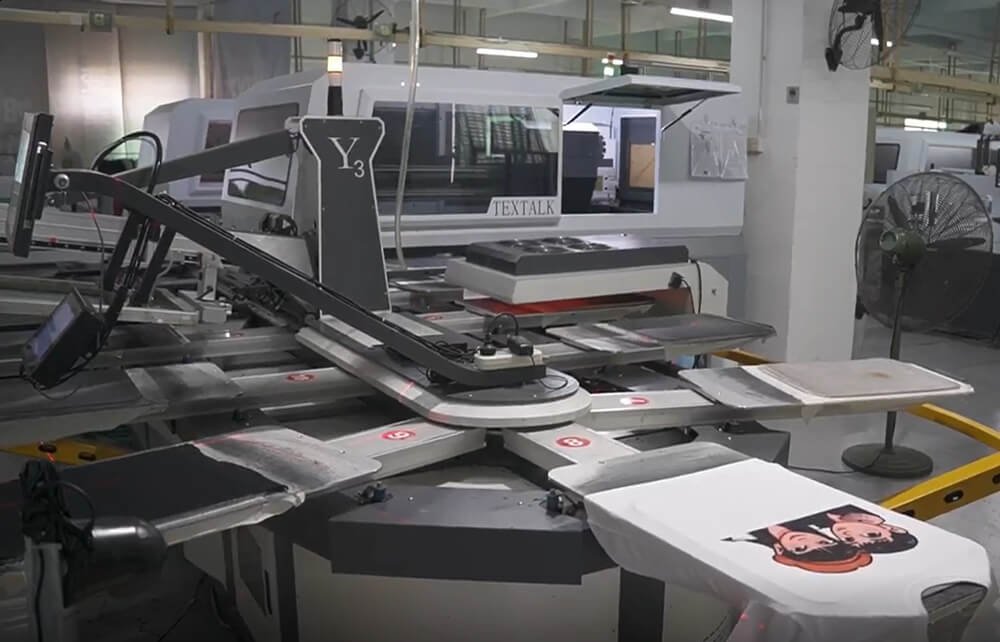
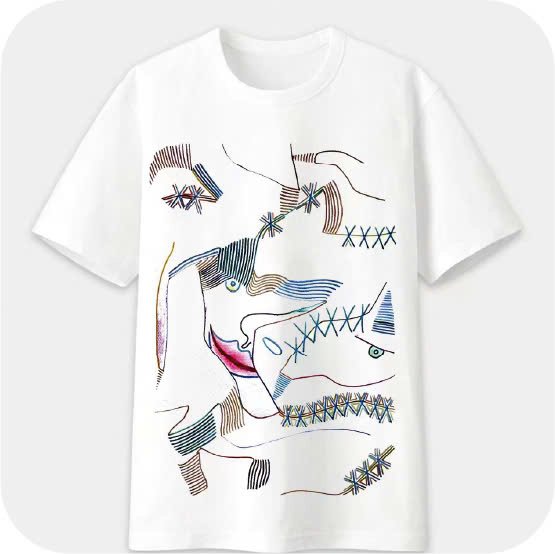
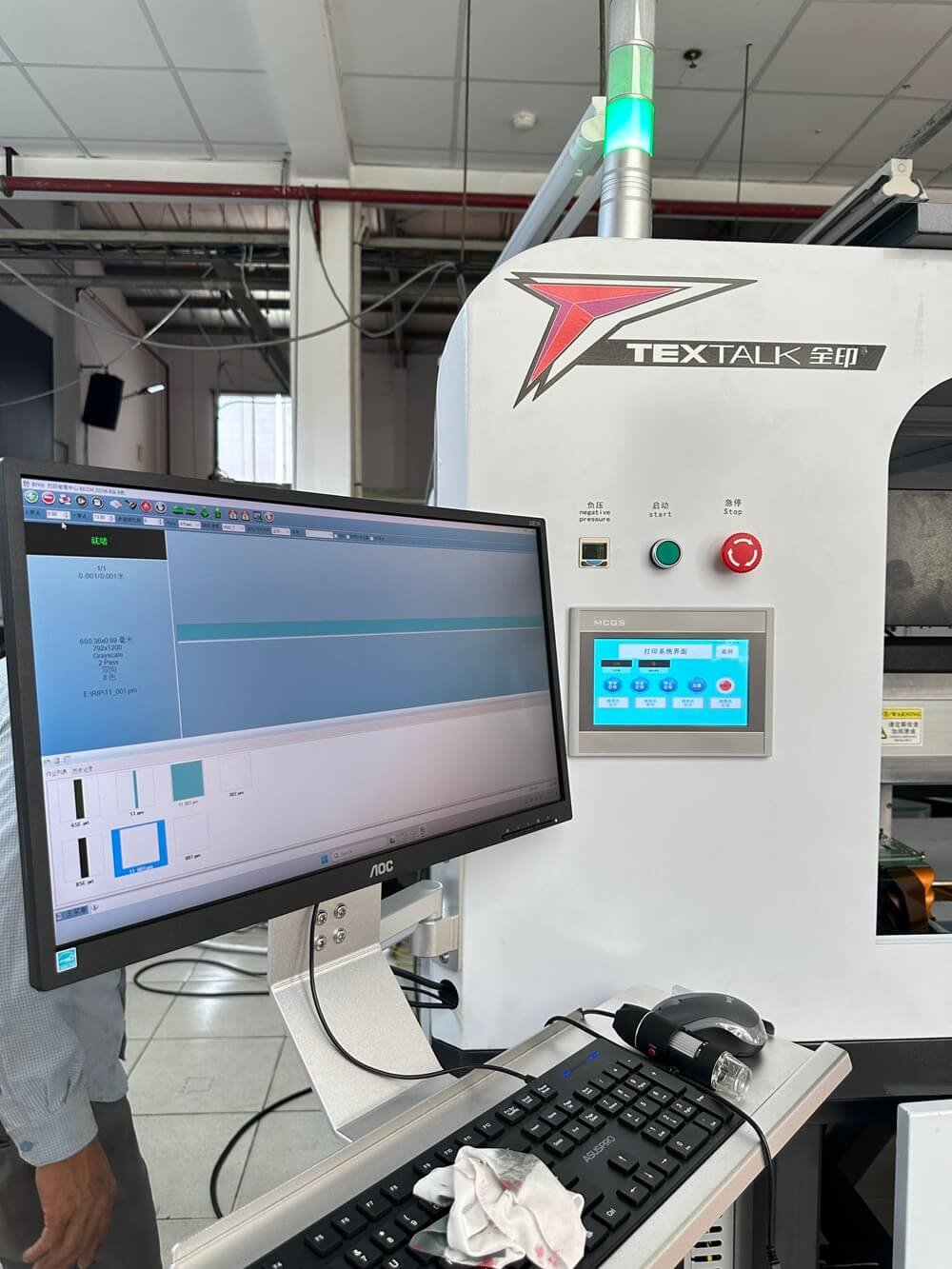
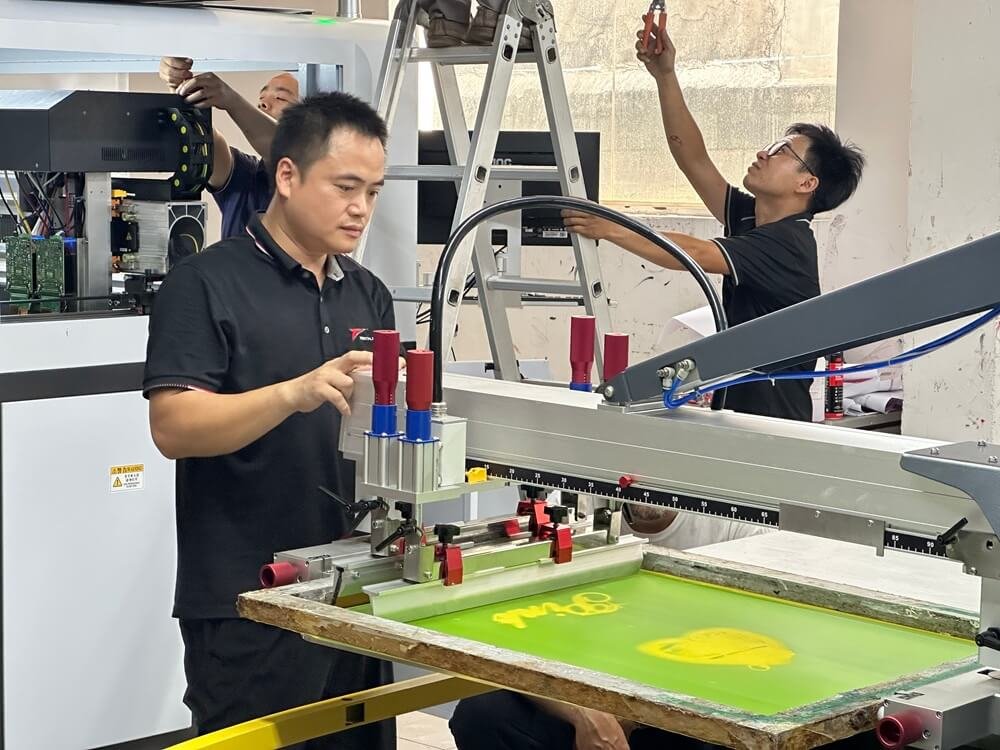
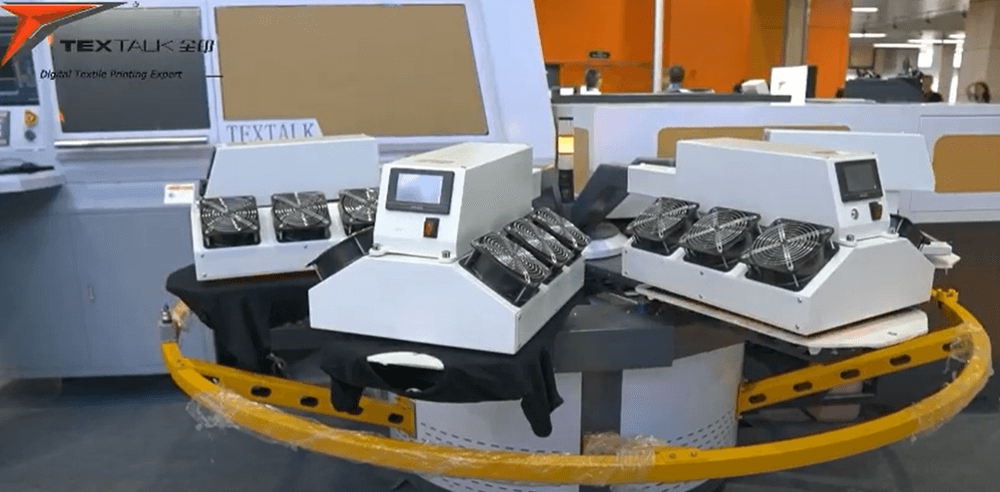
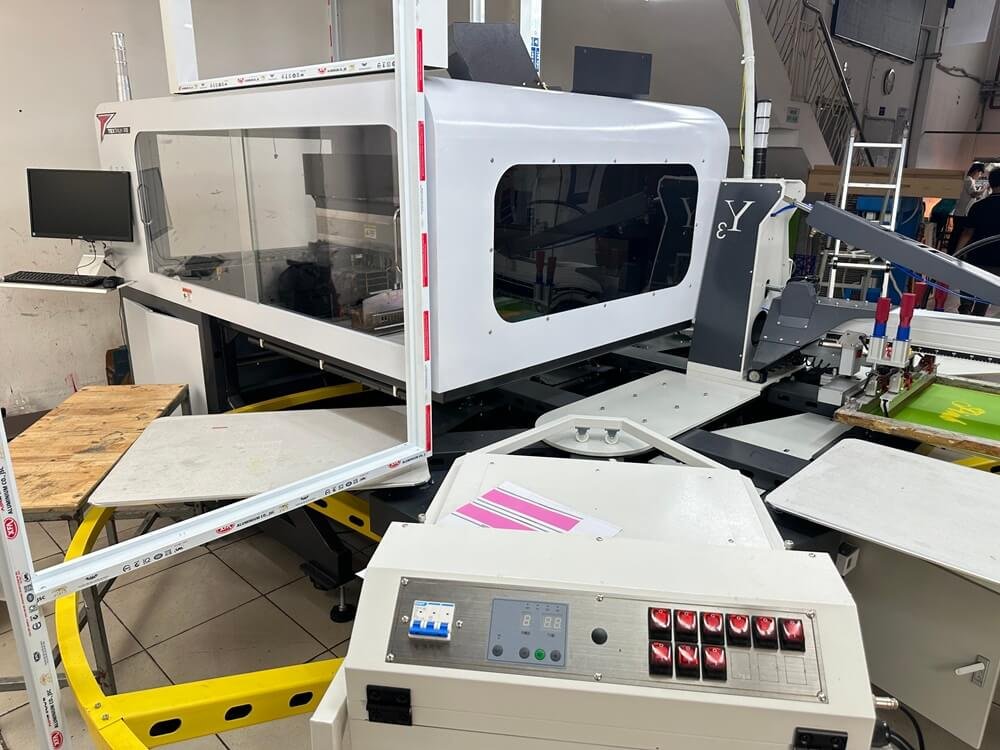
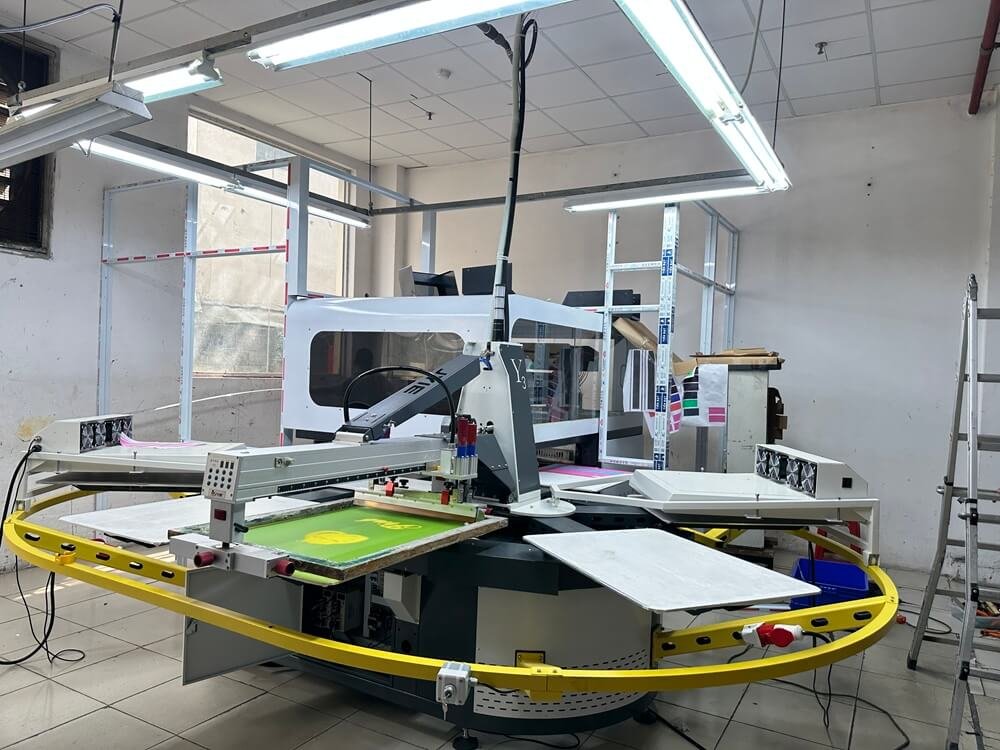
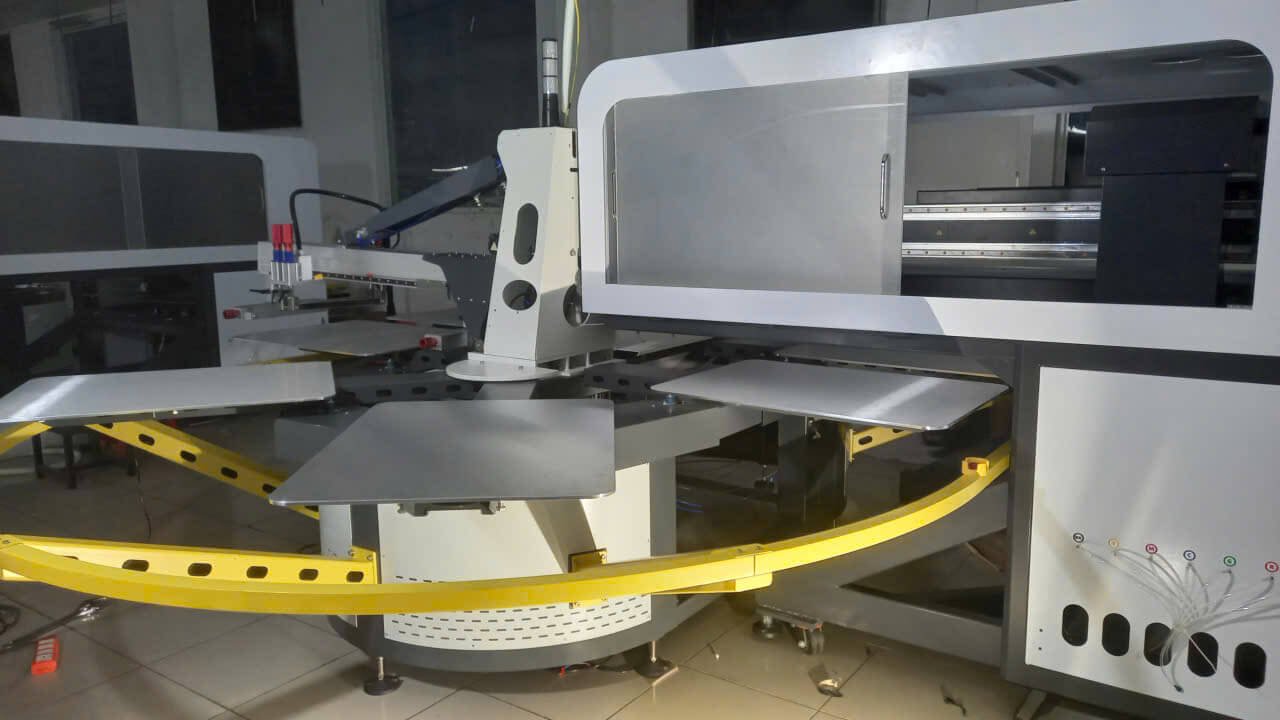

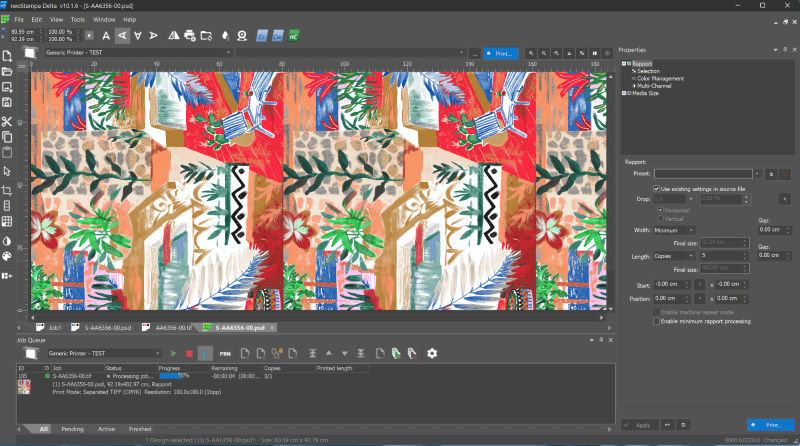
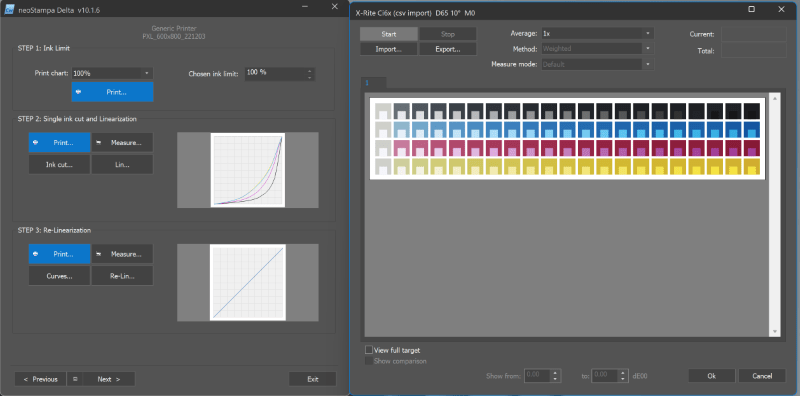
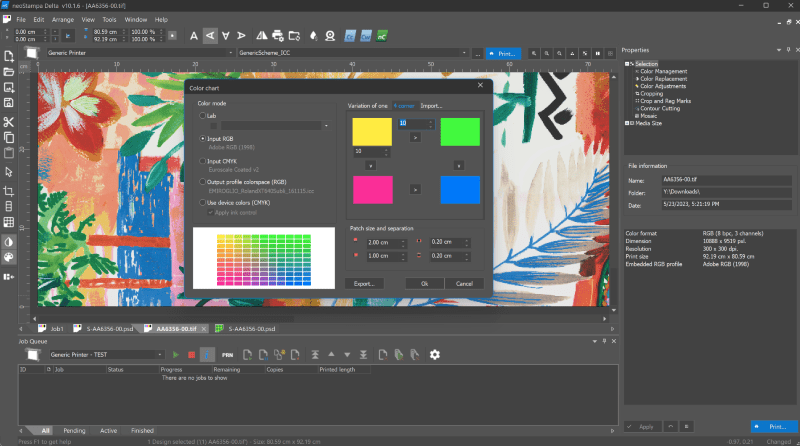
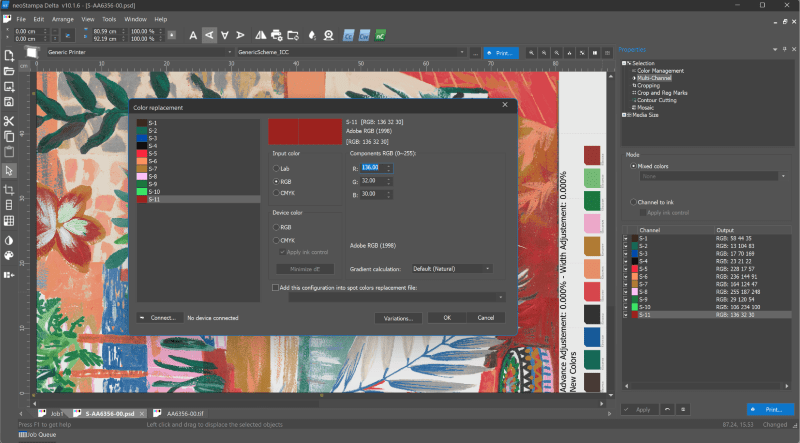
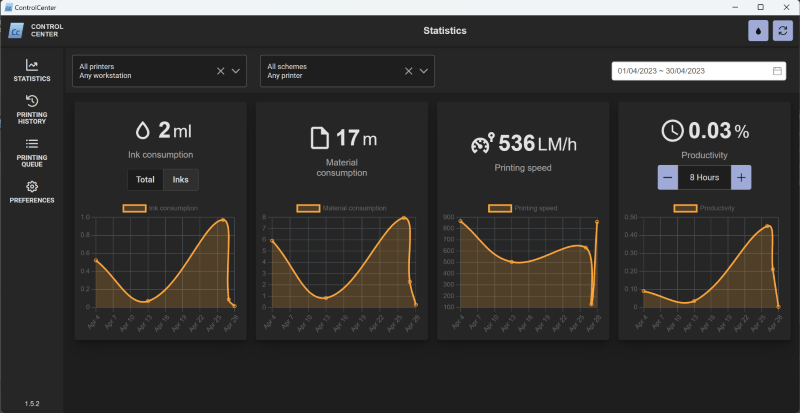
The Textalk DTG Printer leverages the NeoStampa RIP Software to achieve the best possible printing performance. Compatible with many brands of printers on the market, NeoStampa has a user-friendly interface and is straightforward to use, offering advanced technology for image processing. This RIP Software have a powerful color management engine and multiple options for cost control, image editing, calibration and print profiling make neoStampa the best available solution. And benefits from using multiple features:
- Different printers, same color
- Matching color libraries
- Queue Manager
- Calibration Wizard
- Intuitive Interface
- Reports Cost Control
Key Advantages of Textalk Oval Digital DTG Printer
- Digital flexibility for modern garment orders
Textalk DTG printing helps reduce dependency on screens, film output, and long setup times. This is useful for short runs, personalized orders, sampling, and designs with many colors.
- Better workflow for mass customization
Textalk’s digital production approach supports flexible order handling, including one-design-one-order production models. This is valuable for e-commerce apparel, POD brands, and factories serving multiple customer designs daily.
- Strong fit for white ink applications
The homepage already highlights first-line brand white ink orders. This can be expanded by explaining that white ink capability is important for printing bright, detailed designs on dark garments.
- Scalable production setup
The oval DTG format is designed for businesses that want higher output than entry-level desktop DTG printers while still keeping the flexibility of digital printing.
- Configuration suitable for production scale
Textalk DTG printers come in various configurations to suit different printing workshop sizes. Simply provide your desired output and workshop area, and we can provide a suitable configuration (2, 4, 8, or 12 pallets).
- Local distributor support from Fluxmall
Fluxmall provides installation, training, genuine consumables, and technical support, helping customers reduce risk during the transition from purchase to stable production.
Complete DTG Production Workflow
- Artwork preparation
High-resolution artwork is prepared in the correct color mode and print size. - RIP software setup
RIP software controls color management, ink usage, white ink layers, and print accuracy - Garment loading
Garments are loaded onto the oval pallet system for consistent positioning. - Pretreatment when required
Dark garments and certain fabrics may require pretreatment to improve white ink performance and wash durability. - Digital printing
The Textalk DTG system prints full-color artwork directly onto the garment. - Curing and finishing
Printed garments are cured using suitable heat equipment to improve durability and wash resistance. - Quality control
Operators check placement, color consistency, ink adhesion, and final garment appearance.
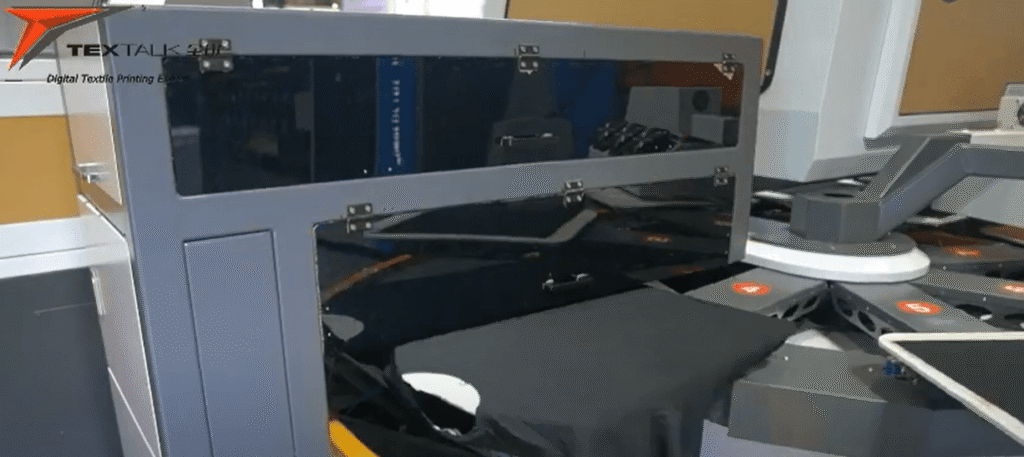

Fluxmall can support customers through this workflow, from machine selection to production training.
Why Partner with Fluxmall for Textalk Printer Installation?
Buying an industrial DTG printer is a long-term production decision. Customers need more than technical specifications; they need a reliable partner who understands garment decoration, workflow, consumables, color management, and service.
Fluxmall has experience across DTG, DTF, hybrid digital, direct-to-fabric, dye sublimation, UV printing, software, inks, spare parts, dryers, heat presses, and pretreatment systems. Moreover, Fluxmall has extensive experience in deploying Textalk’s DTG solutions in Vietnam, ensuring a thorough understanding of your requirements when purchasing. Our professional team, working closely with Textalk’s technical team, can support you from setup consultation and system configuration recommendations to tailoring the system specifically to your business.
Furthermore, as an authorized distributor of Textalk, we guarantee that the machinery and products we supply are genuine, brand-new items with international quality certifications. This is complemented by clear demos and samples, professional installation, dedicated support, and exceptional after-installation customer service.
There’s no need to worry about running out of supplies or not being able to operate efficiently after purchasing a printer, because Fluxmall guarantees to provide you with a complete ecosystem for a Textalk DTG solution. This broader ecosystem helps customers build a complete printing setup instead of buying a standalone machine without production support. Learn more about Fluxmall here!
Comparing DTG printing with other printing techniques
DTG Printing vs. Screen Printing
Screen printing is efficient for large-volume orders with repeated artwork. However, it requires screen preparation, setup time, and separate processes for each design or color variation.
Textalk DTG printing is more flexible for:
- Short-run production
- Multi-color artwork
- Personalized garments
- Frequent design changes
- Print-on-demand orders
- Faster sampling
- Lower setup complexity
For many factories, DTG does not completely replace screen printing. Instead, it expands production capability. A factory can continue using screen printing for long runs while using Textalk DTG for custom, premium, or short-run orders.
DTG Printing vs. DTF Printing
DTG and DTF both support digital garment decoration, but they serve different production needs.
DTG prints directly onto the garment and is often preferred when customers want a soft hand feel, strong detail, and premium print appearance on cotton-rich garments.
DTF prints onto film first, then transfers the design onto the garment. It is useful for mixed fabrics, polyester, workwear, and products that are harder to load directly into a DTG system.
A professional garment decoration business may use both technologies depending on fabric, artwork, order size, and customer expectations.
DTG printing vs. Hybrid DTG Printing
DTG printing is highly flexible for short runs, print-on-demand production, and detailed full-color artwork. However, as production volume increases, standalone DTG workflows can become slower because of pretreatment, white ink application, garment loading, and curing requirements.
Hybrid DTG printing combines digital DTG technology with traditional screen printing infrastructure. Instead of replacing existing production lines, hybrid systems integrate digital printheads into oval or conveyor-based screen printing workflows. This creates a more scalable production environment for factories handling medium-to-large garment volumes. Textalk also provides hybrid DTG printers for businesses who already have a screen printing system and want to expand their businesses to digital printing. Learn more from here.
For many garment factories, hybrid DTG becomes the bridge between analog and digital production.
DTG printing allows businesses to print directly onto garments without creating screens for each design. This makes it highly efficient for one-off orders and frequent artwork changes. Moreover, Textalk DTG printers are superior because they also integrate high-volume printing capabilities such as screen printing and hybrid printing, thanks to their special oval system.
DTG printing vs. Fabric Direct Printing
DTG (direct-to-garment) printing and direct-to-fabric textile printing are both digital printing technologies, but they serve very different production environments.
DTG focuses on finished garments such as T-shirts, hoodies, tote bags, and apparel pieces. Direct-to-fabric printing focuses on fabric rolls before cutting and sewing.
DTG is ideal when flexibility and customization are priorities. Businesses can print different artwork on every garment without preparing screens or transfer films.
Textalk Oval DTG solutions are especially suitable for apparel factories and garment decorators needing scalable direct garment printing workflows.
Instead of printing on finished garments, fabric direct printers produce printed textile rolls that later move into cutting and sewing processes. Suitable for fashion items such as scarves and dresses or household items like curtains and rugs.
Fluxmall also distributes fabric direct digital printers, including the Textalk TK18/TK20 series for industrial textile production.
DTG printing vs. Dye Sublimation Printing
DTG printing applies ink directly onto finished garments, especially cotton-rich apparel. Dye sublimation uses heat to turn sublimation ink into gas, allowing the dye to bond with polyester fibers or coated surfaces.
In simple terms: DTG is usually better for cotton garments, while dye sublimation is usually better for polyester textiles and coated hard goods.
DTG is especially useful when a business needs full-color artwork, short runs, fast design changes, and soft-feel prints on cotton garments. It allows businesses to print directly onto completed apparel without preparing transfer paper, screens, or sublimation-coated blanks.
On the other hand, dye sublimation works best on polyester or polymer-coated materials. It is not suitable for regular cotton garments because sublimation dye needs polyester fibers or special coatings to bond properly.
For polyester apparel and roll-to-roll textile production, dye sublimation can deliver bright colors, excellent durability, and a smooth hand feel because the dye becomes part of the material rather than sitting on top of it.
DTG printing vs. UV Printing
DTG printing and UV printing are both digital technologies, but they serve very different markets.
DTG is designed for garment and textile decoration. UV printing is designed for rigid and flexible surfaces such as acrylic, glass, metal, wood, leather, plastic, phone cases, signage boards, and promotional products.
In simple terms: DTG is for apparel, while UV printing is for objects and surfaces.
DTG is a strong fit when the goal is to print directly onto wearable products with a soft hand feel and detailed full-color artwork. It is especially useful for apparel businesses that need fast design changes, small batches, and customized garments.
UV printing uses ultraviolet light to cure ink almost instantly on the surface of a material. Instead of being absorbed deeply into fabric fibers, UV ink forms a cured layer on top of the substrate. It is commonly used on rigid surfaces like the following: acrylic signs, phone cases, wood products, glass panels, metal plates, ceramic tiles, etc.
UV printers are popular because they can print on many flat or slightly curved surfaces, often with white ink, varnish, texture effects, and layered designs.
About Textalk Digital Printing Technology
Shenzhen Textalk Graphic Technology Co., Ltd. develops digital textile printers, printing inks, and intelligent color-manufacturing solutions for garment and textile production. Textalk’s product categories include direct-to-fabric printers, direct-to-garment printers, sublimation printers, decorative paper printing systems, inks, and textile printing solutions.
Textalk focuses on integrated digital printing systems that combine equipment, software, materials, processes, and cloud-based production solutions. This approach supports mass-customization production, including “one-image-one-order” workflows for factories that need flexible and scalable digital manufacturing.
Among them, DTG printers stand out with their ability to print large quantities with excellent quality. Textalk’s latest DTG printer models are currently popular and sought after in Southeast Asian countries, including Vietnam. And through Fluxmall, the official distributor of Textalk, customers can access these DTG solutions, consumables, support, and deployment guidance.
Frequently Asked Questions
What is the Textalk Oval Digital DTG Printer?
The Textalk Oval Digital DTG Printer is an industrial direct-to-garment printing solution designed to print digital artwork directly onto garments using an oval production workflow. It is suitable for factories, garment decorators, print-on-demand businesses, and brands that need flexible apparel printing at higher production volumes.
Is Fluxmall an official distributor of Textalk printers?
Yes. Fluxmall presents Textalk as one of its technology partners and provides Textalk-related solutions, including hybrid digital printers, textile roll-to-roll printers, DTG printers, consumables, installation support, and customer service.
What businesses should consider a Textalk Oval DTG printer?
A Textalk Oval DTG printer is suitable for garment factories, printing shops, POD production centers, ODM suppliers, fashion brands, and custom apparel businesses that need scalable digital garment printing.
What is the difference between DTG and screen printing?
DTG printing applies ink directly onto garments using digital print technology. It is ideal for short runs, full-color artwork, personalized orders, and fast design changes. Screen printing is often more cost-effective for very large runs of the same design but requires more setup.
Can Textalk DTG printing handle white ink?
Yes. The homepage highlights Textalk Oval DTG’s capability for white ink orders. White ink is important for printing bright and detailed designs on black, navy, and other dark-colored garments. For more information, you can learn more from this article.
What garments can be printed with DTG technology?
DTG printing is commonly used for T-shirts, hoodies, sweatshirts, tote bags, cotton apparel, fashion samples, and custom garments. Fabric compatibility depends on the ink system, pretreatment, curing process, and production requirements.
Does DTG printing require pretreatment?
Pretreatment is often required when printing on dark garments or when using white ink. Pretreatment helps improve ink adhesion, color brightness, print sharpness, and wash durability.
What support does Fluxmall provide after purchasing a Textalk DTG printer?
Fluxmall can support customers with printer consultation, installation, RIP setup, calibration, operator training, consumables, spare parts, and technical support. Fluxmall supports customers through WhatsApp internationally and Zalo in Vietnam.
Is Textalk DTG suitable for print-on-demand production?
Yes. DTG printing is suitable for print-on-demand because it allows businesses to print different designs without preparing new screens for each order. This helps reduce inventory risk and supports fast order customization.
How is Textalk related to digital textile printing?
Textalk develops digital textile printing equipment, inks, and integrated intelligent color-manufacturing solutions. Its product categories include direct-to-fabric printers, direct-to-garment printers, sublimation printers, decorative paper printing systems, and inks.
Why should I buy through Fluxmall instead of only comparing printer specifications?
Printer specifications are important, but production success also depends on installation, training, color management, consumables, maintenance, and after-sales support. Fluxmall helps customers build a complete production workflow around the Textalk printer, not just purchase the machine.